
Japan’s Shinkansen, or bullet train, is a marvel of modern engineering and a symbol of efficiency and punctuality. Travelling on these high-speed trains can turn a mundane journey into an exhilarating experience. But should you pre-book your Shinkansen tickets? Here are the pros and cons to consider.
The Pros of Pre-Booking
- Guaranteed Seat: One of the major advantages of pre-booking is securing a seat, especially during peak travel seasons like Golden Week, Obon, and the New Year holidays. This ensures you won’t end up standing in the non-reserved carriages, which can get quite crowded.
- Discounts and Passes: By planning ahead, you can take advantage of discounts and special passes. The Japan Rail Pass, for example, must be purchased before arriving in Japan and offers significant savings if you plan to travel extensively on the Shinkansen and other JR lines.
- Convenience: Pre-booking lets you plan your itinerary with precision. Knowing your departure times in advance helps you organise your trip more effectively, leaving less room for uncertainty.
- Peace of Mind: There’s something to be said about the peace of mind that comes with knowing your travel arrangements are sorted. Pre-booking removes the stress of last-minute ticket hunting, especially if you are new to the country or the language.
- Mandatory Reservations During Peak Seasons: During certain periods or seasons, like the Obon festival, having a reserved seat is essential. Non-reserved carriages can be extremely full, and having a reservation guarantees you a seat without the stress of searching.
- Oversize Luggage Restrictions: Recently, JR East introduced new rules for oversize luggage on Shinkansen. If your luggage exceeds 160 cm in total dimensions, you need to reserve a special seat with a luggage space.
The Cons of Pre-Booking
- Rigid Schedule: The main drawback of pre-booking is the lack of flexibility. If your plans change, it can be difficult to alter your ticket without incurring extra fees or facing inconvenience.
- Cancellation Fees: While the Shinkansen is known for its punctuality, sometimes plans don’t go as expected. Cancellations can come with fees, which can be frustrating if you’re forced to alter your travel dates at the last minute.
- Overcomplication: For spontaneous travellers, pre-booking can feel restrictive. You end up missing out on the joy of unplanned adventures and the flexibility to change your plans on a whim.
- Potential Overpayment: If you’re travelling during off-peak times, there’s usually less need to pre-book, and doing so not save you any money compared to buying on the spot.
- Disruptions: Natural events like typhoons can disrupt train schedules, making it challenging to stick to pre-booked plans. In such cases, flexibility becomes more valuable, and the rigid nature of pre-booking can become a disadvantage.
When to Book
- Peak Seasons: It’s highly recommended to pre-book your Shinkansen tickets during Japan’s peak travel seasons – Golden Week (late April to early May), Obon (mid-August), and New Year (late December to early January).
- Popular Routes: Routes like Tokyo to Kyoto or Osaka are particularly busy, and pre-booking ensures you get a seat without the hassle of standing in line or standing during the journey.
- Special Events: If you’re planning to attend a special event or festival, book in advance to avoid any last-minute disappointments.
Ways of Booking
- Online: Websites like Japan Railways’ official site or third-party platforms like Japan Rail Pass, Klook, and SmartEx allow you to book your tickets in advance. These platforms often offer English support, making the process easier for non-Japanese speakers.
- At the Station: You can book your tickets at Shinkansen ticket offices (Midori no Madoguchi) or ticket machines at JR stations. Staff at the ticket offices usually speak some English and can help you with your booking.
- Travel Agencies: Many travel agencies, both in Japan and internationally, offer Shinkansen booking services. This can be especially helpful if you’re planning a multi-leg journey or need extra travel services.
- Hotel Concierge: If you’re staying at a hotel, the concierge can often help you in booking Shinkansen tickets, providing an extra layer of convenience.
Special Bullet Trains: The Hello Kitty Shinkansen
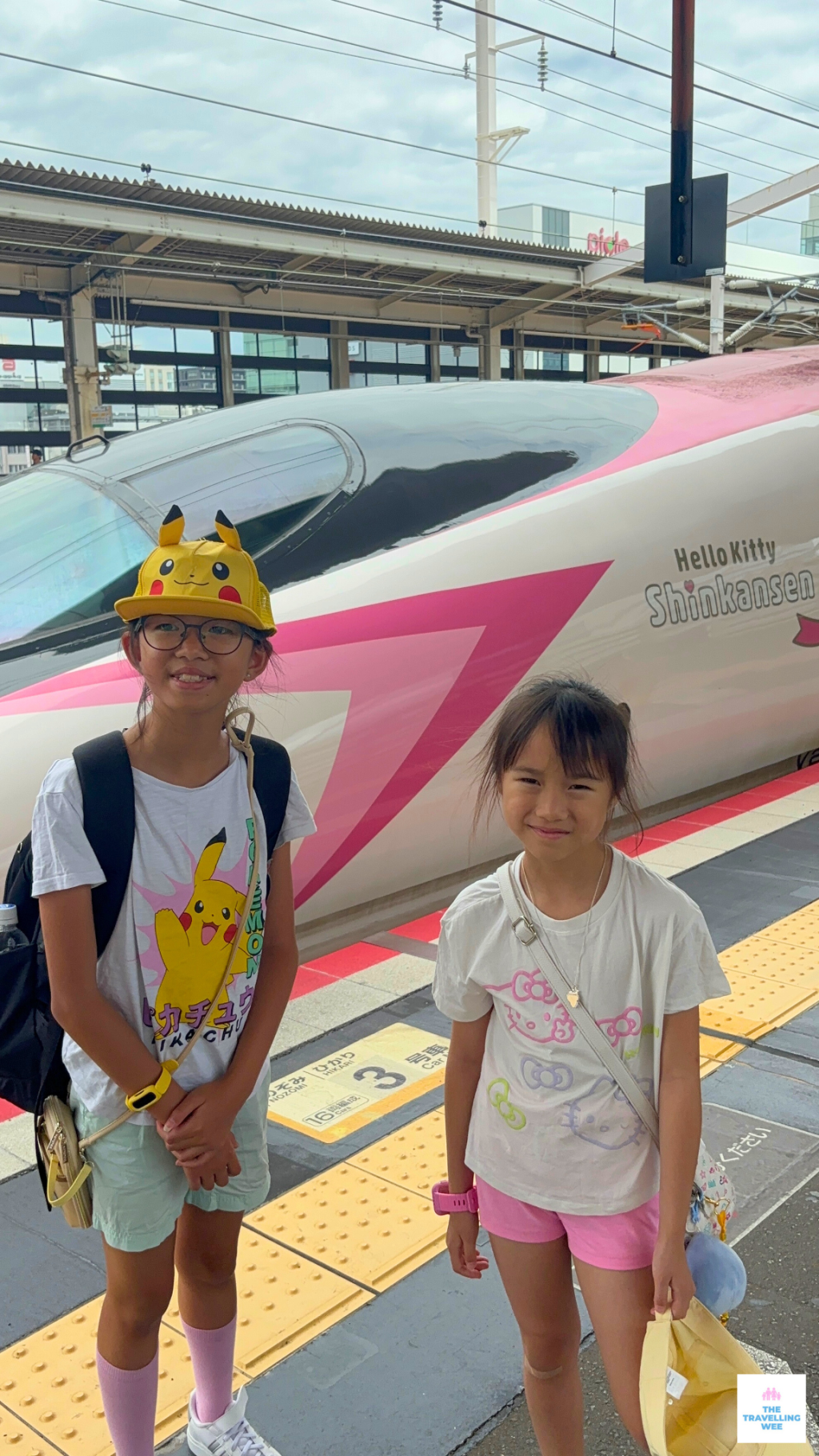
For those who love all things cute and kawaii, the Hello Kitty Shinkansen is a must-try experience! This special bullet train, adorned with Hello Kitty characters and themed interiors, runs between Shin-Osaka and Hiroshima. While the seats in Car 2 are non-reserved, it’s a delightful way to travel with plenty of Hello Kitty merchandise and snacks available on board. Just remember to line up early if you want to secure a spot in the themed carriages!
Final Thoughts
Whether to pre-book your Shinkansen tickets ultimately depends on your travel style and the timing of your trip. While pre-booking offers security and peace of mind, it also requires a level of commitment and planning that does not suit every traveller. Considering potential disruptions like typhoons can further complicate pre-booked plans, but weighing the pros and cons will help you make an informed decision.
So, next time you’re planning a trip to Japan, consider these pros and cons before booking your Shinkansen tickets. Safe travels and enjoy the ride!










 The Travelling Wee
Leave a comment