

Thailand is often positioned as a winter‑sun destination, but many UK families travel during the school summer holidays instead. July and August fall within Thailand’s rainy season, which can sound intimidating if you have never experienced it before.
The reality is more balanced. Weather in Thailand varies significantly by region, and some cities handle the summer months far better than others. Choosing the right cities, rather than avoiding Thailand altogether, is what makes a summer trip enjoyable rather than frustrating.
This guide focuses on Thailand’s main cities and regions, with practical insight into what summer weather is actually like, and where families tend to have the best experience in July and August.
Thailand summer weather explained
Thailand’s rainy season generally runs from May to October, but rain does not behave the same way across the country. It also rarely rains all day.
In most places, summer rain comes as:
- Short, heavy downpours
- Often later in the afternoon or evening
- Followed by dry, bright spells
The biggest mistake families make is assuming rain means being stuck indoors for weeks. In reality, planning flexibility matters more than the forecast.
Weather differs most noticeably between:
- Cities vs beaches
- The Andaman coast (Phuket, Krabi) and the Gulf coast (Koh Samui area)
Bangkok in July and August: hot, but manageable
Bangkok is hot year‑round, and summer adds humidity and regular rain showers. That said, it remains one of the most workable cities in Thailand during the school holidays.
What summer weather feels like in Bangkok
- Warm mornings, often dry
- Heavy rain usually arrives later in the day
- Showers are intense but short rather than constant
Our experience
We visited Bangkok last August with children, and while we experienced several heavy downpours, most were short‑lived. A few days had longer rain spells, but they were the exception rather than the norm.
What made the difference was:
- Planning activities earlier in the day
- Keeping indoor options ready
- Being willing to swap plans around at short notice
Bangkok works well in summer because it offers excellent indoor and covered attractions. Shopping centres, museums, river transport, cafes, and food courts provide natural shelter, making weather disruptions far less stressful than on small islands.
For families, Bangkok is best approached as a short, well‑paced stay of two to three nights, rather than a long sightseeing base.
Hua Hin: one of the easiest summer bases for families
Hua Hin is often overlooked in favour of Phuket, but it copes far better with summer weather.
What summer weather feels like in Hua Hin
- Warm days with occasional rain
- Less exposure to rough seas
- Fewer storm‑related disruptions than the Andaman coast
Our experience
We also spent time in Hua Hin last August, and found it noticeably easier with children. Rain showers came and went, but the town felt calmer and less affected by weather than island destinations.
Hua Hin worked well because:
- It is less dependent on boat trips
- Activities are spread between beach, town, and resort spaces
- Travel between Bangkok and Hua Hin is straightforward
For families travelling in the summer holidays, Hua Hin is a good choice if you want coastline without the unpredictability of island hopping.
Pattaya: underrated for summer travel
Pattaya rarely features in “best Thailand” lists, but from a pure weather and logistics point of view, it can make sense in summer.
Why Pattaya works better than expected
- Similar weather pattern to Bangkok and Hua Hin
- Less reliance on ferries and boats
- Wide range of indoor attractions
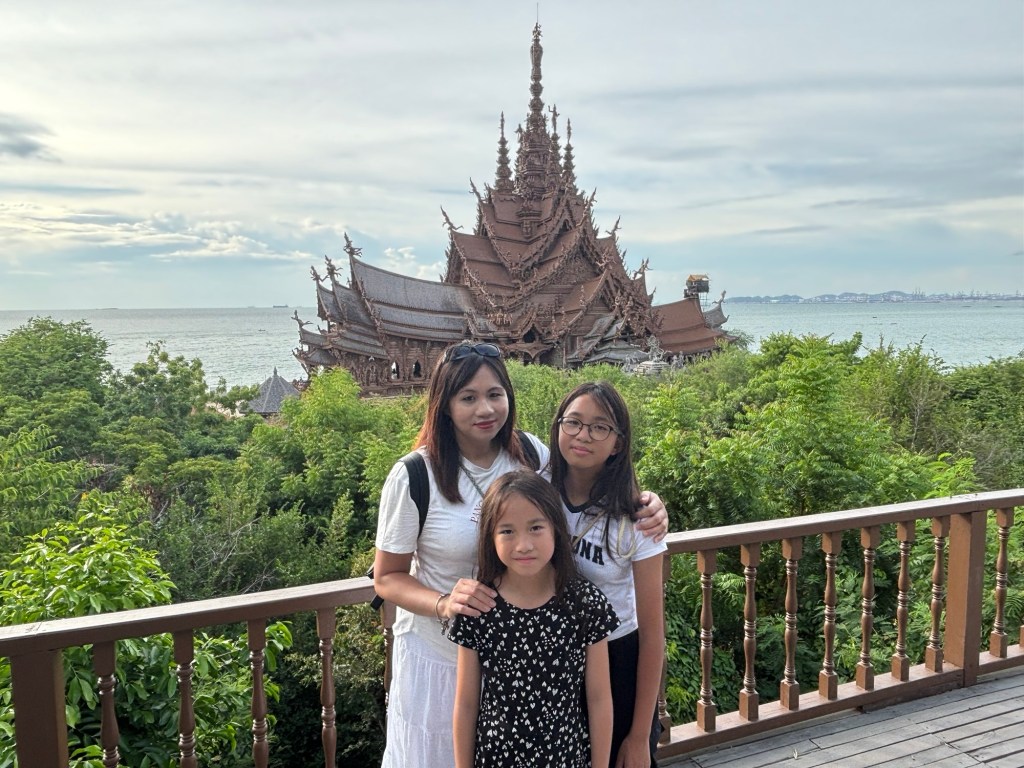
During our August stay, Pattaya followed the same pattern as Bangkok: short heavy rain, then dry spells. It is not a destination built around natural beauty, but it is practical if the priority is keeping plans flexible during the rainy season.
Chiang Mai: green, slower, and well suited to summer
This year, we are planning to travel north to Chiang Mai during the summer holidays, and the weather plays a big role in that decision.
What summer weather feels like in Chiang Mai
- Warm days, but often slightly cooler than Bangkok
- Rain that freshens the landscape rather than disrupting everything
- Greener countryside and fewer crowds than peak season
Chiang Mai suits summer travel well for families who enjoy:
- Cultural experiences
- Food markets
- Slower‑paced sightseeing
It works best when expectations are set around city life and culture, rather than trekking or outdoor adventure. Evening temperatures tend to be more comfortable than in central Thailand, which helps with younger children.
Phuket and Krabi: hardest regions in summer
Phuket, Krabi, and the Andaman coast are the most challenging parts of Thailand during July and August.
Why the Andaman coast struggles in summer
- Higher rainfall than other regions
- Rougher seas
- Boat trips and ferries regularly disrupted
For families, the main issue is unpredictability. Beach conditions, swimming, and island hopping cannot be relied on day to day. These destinations can still work if you stay in a resort and treat beach time as a bonus, but they are not ideal for first‑time summer visits.
Koh Samui and the Gulf coast: best summer beach option
Koh Samui, Koh Phangan, and Koh Tao sit on the Gulf of Thailand, which follows a different monsoon pattern from Phuket.
Why the Gulf coast is better in summer
- Less rainfall in July and August
- Calmer seas than the Andaman side
- More reliable beach conditions
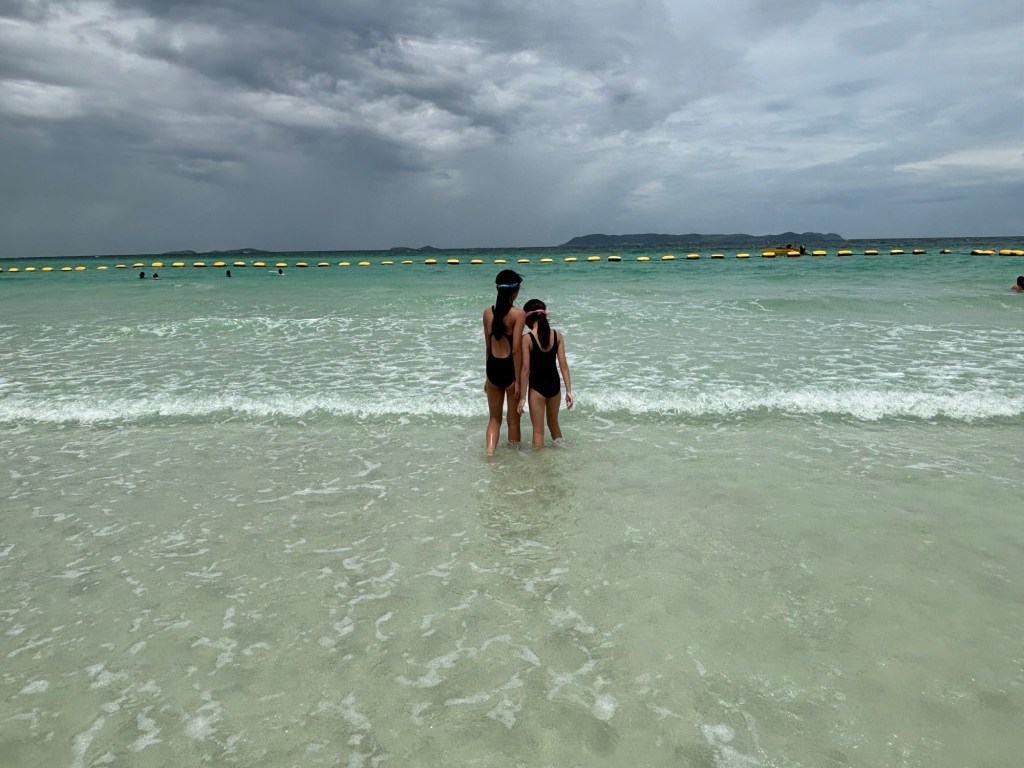
For families who want a traditional beach holiday during the school summer holidays, Koh Samui is usually the most reliable option within Thailand.
Planning tip from experience: build flexibility in
The biggest lesson from travelling in Thailand in August is simple:
Summer travel works best when you plan options, not fixed schedules.
What helped us most:
- Having indoor activities ready as backups
- Scheduling outdoor activities earlier in the day
- Being happy to swap sightseeing days around
Short, heavy rain is far easier to manage than a fully booked itinerary that cannot move.
Best Thailand cities for UK summer holidays
Most suitable
- Bangkok
- Hua Hin
- Chiang Mai
- Koh Samui and Gulf coast islands
More difficult
- Phuket
- Krabi
- Andaman island‑hopping routes
Final thoughts
Thailand during the UK summer holidays is not about chasing perfect weather. It is about choosing cities that cope well with rain and heat, and travelling with a flexible mindset.
From our own experience in Bangkok, Hua Hin, and Pattaya last August, summer rain did not ruin the trip. With realistic expectations and a willingness to adjust plans, it remained an enjoyable and memorable family experience.
For families willing to plan around the rhythm of the rainy season, Thailand can still work very well in July and August.










 The Travelling Wee
Leave a comment