

Disclosure: Simify provided our eSIMs for this trip, and this post includes a discount link. All views are our own.
Every family trip to Thailand, we have the same conversation before we fly. Do we get local SIMs at the airport. Do we just hotspot off two phones and hope for the best. Do we ration data and panic on the last day when it runs out.
This year we did it differently. We used the Simify unlimited eSIM in Thailand, one for each of us, for the full 16 days. We travelled with our teen and pre-teen, so that meant four eSIMs total.
Here is our honest experience, warts and all, from Bangkok all the way up into the mountains above Chiang Mai.
What to Expect From the Simify Unlimited eSIM
Simify gave us four unlimited eSIMs to use across our Thailand trip. Our actual holiday ran 15 days, so we had a spare day built in, which took the pressure off worrying about time zones and exact activation windows.
All four of us use iPhones, though different models. The eSIMs worked on every one of them without any compatibility issues.
Our kids do not have their own SIMs. Normally we would hotspot off our phones to their iPads. This time, each of them had their own unlimited data, and it changed how the whole trip felt.
If you want to check current plans and pricing, you can look here eSIM | Thailand.
Setting It Up Before We Left Home
We installed the eSIMs before we left the UK, straight from the Simify app. The install itself was simple.
Where it got fiddly was managing four eSIMs under one email. Simify sends the eSIM details by email so you can share them between family members, but the emails did not seem to arrive properly when we tried to forward or resend them.
Our workaround was to sign into the same account email from each phone, then select the specific eSIM available for that device. Once we worked that out it took a couple of minutes per phone. Not difficult, just not obvious the first time.
We installed everything before we flew, then switched the eSIM on in settings once we landed in Thailand. That part worked exactly as expected.
Using It Across Thailand, Mountains Included
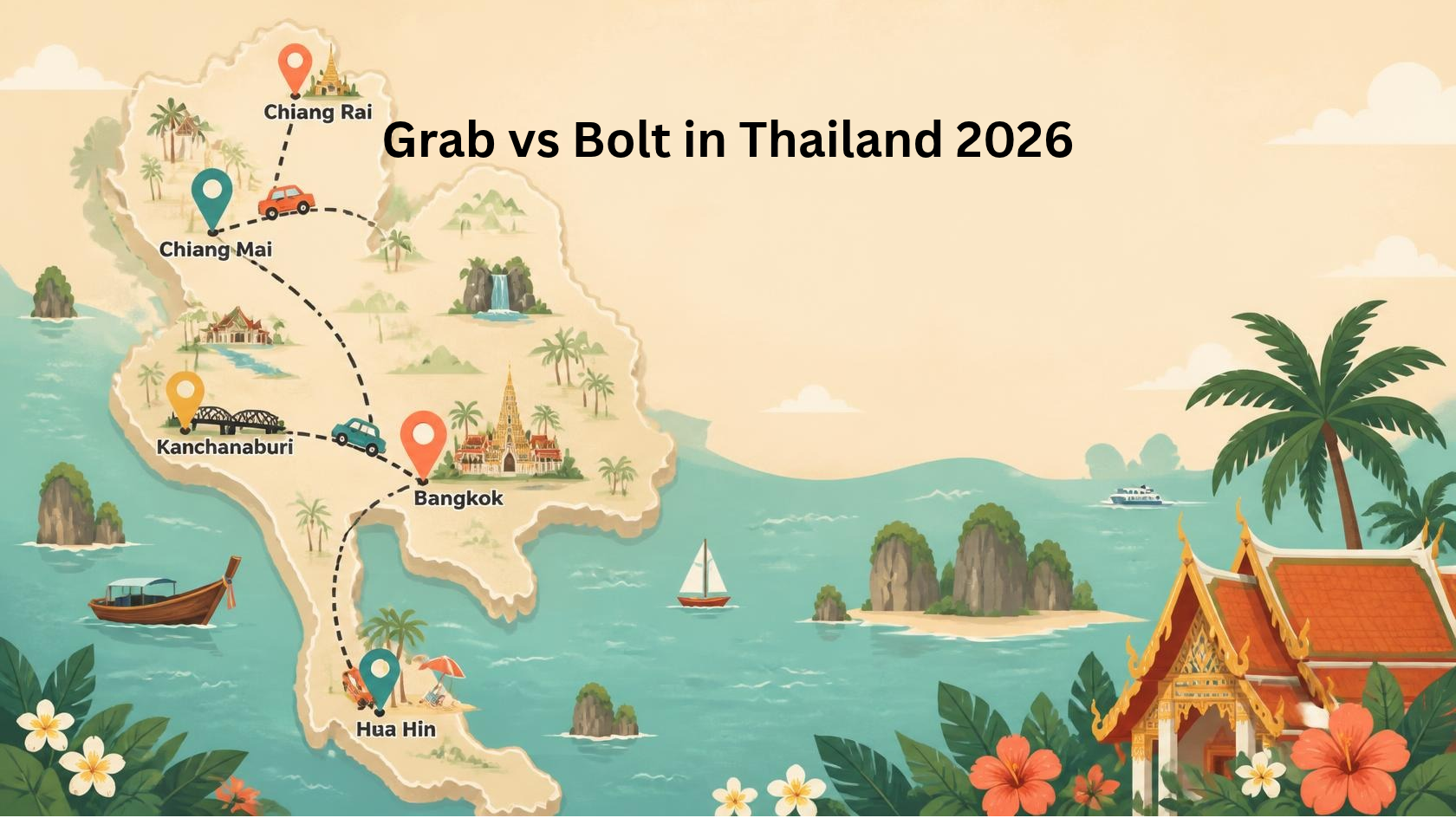
We used the eSIMs throughout the whole trip. That covered Bangkok, Hua Hin, Chiang Mai, Chiang Rai and Kanchanaburi, plus two extra stops up in the hills above Chiang Mai, Mae Kampong and Mae Chan.
Signal was strong everywhere, including higher up in the mountains, which genuinely surprised us. The only weak spot was during the actual drive up to the mountainside villages, where reception cut in and out. Once we arrived and parked up, the connection came back and worked normally.
We also used the eSIM inside hotels rather than connecting to the hotel WiFi. With unlimited data, it meant we were not switching networks every time we walked into a different building, and everyone stayed connected on their own signal without any password faffing.
How Much Data We Actually Used
This is the bit most parents want to know before they book. Across four unlimited eSIMs over 16 days, our usage ranged from 18.2GB up to 37.6GB.
My data was the lowest. I mainly used it for maps, checking email and booking rides through the day.
My wife used the most, around 37.6GB, mostly from sending and receiving videos with family back home.
Our kids sat in the middle, using around 24GB each. Theirs went on streaming and games, particularly during the longer drives between cities.
Having unlimited data meant nobody had to think about any of this while we were away. We only added it up afterwards out of curiosity.
Simify does have a fair usage policy on their unlimited plans, like most providers. In practice, none of us used enough in a single day to notice any slowdown, even my wife on her heaviest video days. Worth knowing it exists, but it did not affect our trip.
Tips for Families Considering an Unlimited eSIM
Give your teens and pre-teens their own eSIM if they are old enough to go off on their own. Ours wanted to browse shops or wander off without us hovering nearby, and having their own data meant they could do that and still stay reachable.
Skip the hotspot if you can. Hotspotting drains the host phone’s battery fast, especially over a full day out. With everyone on their own eSIM, nobody’s phone was flat by mid afternoon.
Use the unlimited data on long drives. We had several long distance city transfers on this trip, and keeping the kids entertained with streaming or games made those journeys far easier on everyone.
Lean on hotel or mall WiFi where it makes sense. If you are trying to work out how much data you actually need, you can use free WiFi in hotels and shopping centres to cut down on how much mobile data you would otherwise use. That said, we found having unlimited meant we stopped thinking about it altogether.
If you want to see the latest offers, you can look here eSIM | Thailand.
Pros and Cons
Pros
- Everyone had their own signal, so nobody was tied to hotspotting off someone else.
- Signal held up even in mountain villages like Mae Kampong and Mae Chan.
- No more juggling hotel WiFi logins across four devices.
- Set up before leaving home, so it was ready the moment we landed.
- Genuine peace of mind, especially after running out of data last year with nothing to top up for the last few hours.
Cons
- Sharing eSIMs by email between family members did not work smoothly. We had to sign into one shared account across devices instead.
- Brief signal drops while actually driving up steep mountain roads, though this cleared once stationary.
FAQs
Does the Simify eSIM work on iPhone?
Yes. We used it across several different iPhone models with no compatibility problems.
Can you set up the eSIM before you travel?
Yes. We installed ours through the Simify app before leaving the UK, then activated it in settings once we landed in Thailand.
Does the signal work outside major Thai cities?
In our experience, yes. We had a strong connection in Bangkok, Hua Hin, Chiang Mai, Chiang Rai and Kanchanaburi, as well as in the hill villages of Mae Kampong and Mae Chan. The only weak patches were while actually driving up mountain roads.
Is it worth getting one eSIM per child instead of hotspotting?
For us, yes. It meant our teens could go off on their own with their own data, and it saved battery on the adult phones that would otherwise be running as a hotspot all day.
How much data does a family of four actually use in Thailand?
Across our four unlimited eSIMs over 16 days, we used between 18.2GB and 37.6GB each, depending on how much streaming, video calling and navigation each person did.
Conclusion
An unlimited eSIM in Thailand meant we stopped rationing data and started just using our phones the way we normally would at home. For a family with older kids who want some independence, and with a trip that involves long travel days between cities, it made a genuine difference.
If you want to book it, you can look here eSIM | Thailand.




Leave a Reply